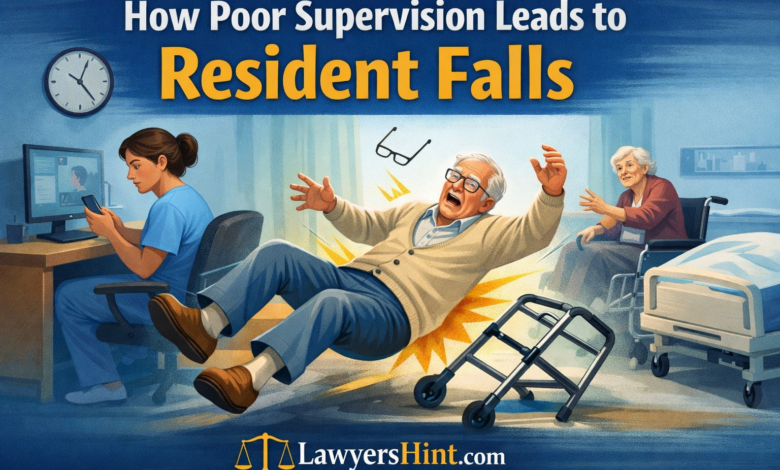
Senior adults and other people with disabilities often move into nursing homes to prevent injuries that could happen if they tried to live independently. Sadly, poor supervision in nursing homes is often the cause of serious falls that leave residents at risk of developing bone fractures, brain trauma and other life-altering injuries that are preventable.
While most nursing home staff enter their careers with a desire to help older adults, it’s important to understand that neglect can take many forms. At times, being short-staffed could cause staff members to be unable to respond to calls quickly. Meanwhile, a lack of mobility aids could also cause a senior to experience a fall due to someone else’s failure to plan properly for the resident’s needs.
As a senior or family member of a loved one in a nursing home, it’s important to pay attention to what’s going on in the facility. Even nursing homes that claim to offer a luxury living experience are prone to cases of neglect. Paying attention to how a lack of supervision can lead to resident falls helps everyone protect the vulnerable adults who live within the community.
Failing to Provide Prompt Responses to Requests for Help
A lack of supervision often leads to a failure to respond within an appropriate amount of time to a resident’s call for assistance. While many people with mobility challenges will wait as long as possible for help, there comes a point when they might choose to try to move across a room or get out of bed independently out of desperation.
Seniors who need assistance going to the bathroom might attempt to rush on their own to avoid an accident after waiting too long for someone to come. Meanwhile, hunger might tempt a senior with mobility challenges to attempt to walk to the dining area before they stop serving meals. Once a senior begins trying to move without the assistance they need, it’s more likely that they will fall and develop an injury.
Sadly, the negative impact of a lack of supervision can also increase the severity of these injuries. For example, poor response times could also include ignoring an alert from a fall alarm in the resident’s room. Being slow to help someone whose bed or wheelchair alarm is going off could cause them to attempt to get up on their own and fall again. Trying to move to get help could also exacerbate a head or spine injury.
Lacking Proper Staff Training or Safe Ratios
Many states have minimum staffing standards in place for nursing homes, along with requirements for training and continuous education hours for nurses and certified nurse aids. But, you may still find that compliance can vary from one nursing home to another. If your loved one experiences a fall, then one of the first things a knowledgeable nursing home abuse lawyer will investigate is how many people were on duty at the time and whether or not they had the proper training.
If you are currently looking for a nursing home, then it helps to know that having one staff member for every six to eight residents is beneficial for quality care. Keep in mind that the ratios may change slightly according to the average resident’s needs or other factors. For instance, one staff member may be able to care for more residents at night when the majority of people are sleeping. Still, you should see that there is adequate staff to minimize wait times for seniors to prevent unassisted walks in the dark.
Each staff member should also be trained on how to provide proper assistance to a senior with mobility challenges. Being capable of helping transfer a resident from their bed to a wheelchair can prevent falls, even when someone is in the room. You should also feel comfortable with the level of training that staff members have for responding to a fall. Knowing how to assist a resident without causing further injury is critical for better outcomes.
Neglecting Facility Maintenance and Accessibility
Proper supervision also includes making sure that the facility fosters a safe experience for everyone, whether they walk independently or use a wheelchair. Failing to check a resident’s room for fall hazards, such as a broken handrail falls under the category of neglect. The facility should also have proper lighting to help people see where they are walking, along with smooth floors that are unlikely to tip over a wheelchair or other assistive device.
If the lack of staff supervision includes failing to clean, then seniors in a nursing home might fall over clutter in their walking path. Slippery floors without proper warning signs or attempts to dry the area could also increase the risk of fall-related injuries.
Nursing homes that house people at risk of wandering should also provide enough supervision to prevent falls that happen when someone ventures out of the safe confines of the facility. Failing to notice that a resident has left the building without assistance is a major breach of safety in a facility where you trust the staff to protect the people you love.
Every resident in a nursing home facility deserves to have a safe, supervised experience that includes assistance with moving around the building. Being alert for signs of poor supervision can often help prevent fall-related injuries. If you notice that there is a lack of staff available to help residents, then report this to the appropriate authorities. When a senior adult describes having to get up to go to the restroom on their own, then ask questions about why this happened.
If your loved one does end up experiencing a fall, then investigating to find out what led to the accident could help them recover the compensation they need for a healthier recovery. In a perfect world, everyone with mobility challenges would have the care they need to avoid being harmed. But, advocating for you or your loved one’s needs can help improve nursing home guidelines to provide everyone with a healthier and safer experience.