Defend your reputation against digital defamation. Learn legal steps, evidence tips, and strategies to protect your business and professional image online.
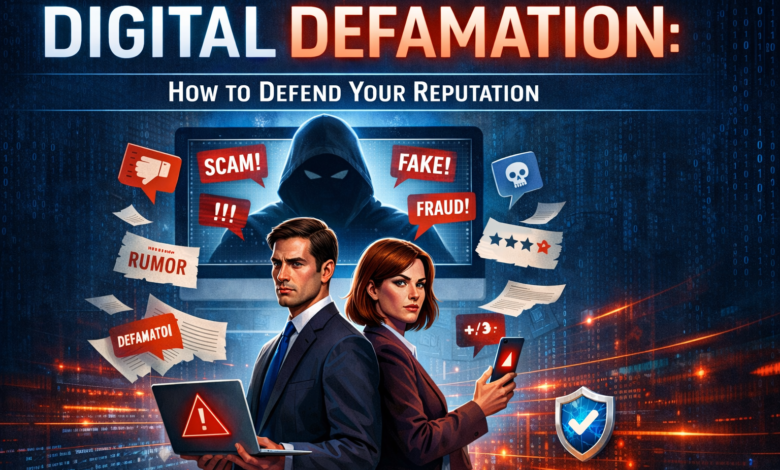
Reputation is one of the most valuable assets any business or professional possesses. It is the currency of trust, earned slowly through years of integrity, reliability, and achievement, yet vulnerable to loss in a single damaging statement online. In today’s digital environment, reputational harm can occur instantly and spread globally before the truth has a chance to emerge. A single post on a review site, a viral social media thread, or a misleading article can reach millions, shaping public perception in ways that may be hard to reverse.
At Landsman Saldinger Carroll, we recognize that defamation cases sit at the intersection of law, communication, and technology. We handle defamation matters with a clear understanding of both the legal standards and the real-world consequences for our clients, whether they are businesses protecting their market position, professionals safeguarding their credibility, or individuals defending their personal integrity.
This article explores how defamation claims work, why they are challenging in the digital era, and how experienced litigators approach these sensitive, high-stakes cases.
What Constitutes Defamation Under the Law
Defamation, in its simplest form, involves three core elements: a false statement of fact, communicated to a third party, that causes harm to someone’s reputation. Although the definition seems straightforward, its real-world application is far from simple.
Courts draw an important distinction between statements of fact, which can be proven true or false and statements of opinion, which are subjective and typically protected under the First Amendment. Saying that a restaurant “served spoiled food” could be a false factual claim; saying it was “the worst meal I’ve ever had” is an opinion. These nuances often determine whether a case is viable.
Context is equally vital. Courts assess how an average reader or listener would interpret the statement, considering the publication platform, the surrounding language, and the intended audience. A joking remark on a satirical website will be treated differently from a serious accusation on a professional networking platform. Social media, with its informal tone and rapid-fire posts, creates a complicated environment in which meaning can shift depending on emoji use, hashtags, or shared imagery.
Defamation law also varies by jurisdiction. Some states maintain traditional distinctions between libel (written defamation) and slander (spoken defamation), while others merge the two. The common thread across jurisdictions remains: the plaintiff bears the burden of proving falsity and harm, except in limited circumstances involving defamation per se.
The Challenge of Online Defamation
Online defamation presents unique and modern-day challenges. Unlike traditional print or broadcast media, the internet never fully forgets. Harmful content spreads quickly, is archived by search engines, and can resurface long after the original post disappears.
Platforms such as Google Reviews, Yelp, Facebook, X (formerly Twitter), and Reddit have democratized speech, allowing anyone to become a publisher. While this openness has benefits, it also enables the rapid spread of misinformation, both intentional and accidental. Reviews or posts may come from anonymous users, impersonators, or coordinated smear campaigns aimed at harming competitors.
Removing false content is seldom easy. Each platform has its own reporting process and standards for removal. Many will only delete content if it clearly violates their terms of service, not merely because it is false. Even when successful, the damage may already be done once screenshots are shared or content is indexed by search engines.
From a legal standpoint, the Communications Decency Act (Section 230) protects online platforms themselves from liability for user-generated content, meaning a business cannot usually sue the platform hosting the posts—only the individual who made them. Identifying that individual may require subpoenas, service provider cooperation, and careful navigation of privacy laws.
Equally important is managing the Streisand effect, where attempts to suppress defamatory material unintentionally draw more attention to it. For some clients, an aggressive lawsuit can amplify the controversy, multiplying the reputational harm. Skilled attorneys evaluate the potential media ripple effects of every action and sometimes recommend quiet, targeted interventions rather than public legal filings.
Proving Damages in Defamation Cases
A common misconception is that reputational harm automatically translates into monetary compensation. In practice, proving damages in defamation cases often requires concrete evidence.
For businesses, this may involve showing lost clients, canceled contracts, or a noticeable dip in revenue following defamatory publicity. For professionals, such as doctors, lawyers, or executives, it may include loss of professional standing, removal from leadership roles, or rejection from new opportunities.
Some statements are considered defamation per se, meaning damages are presumed because the statements are inherently harmful. These typically include false claims alleging criminal behavior, unethical professional conduct, or severe reputational defects that any reasonable person would find damaging. Even in these cases, prudent counsel gathers evidence of actual harm to strengthen the claim and justify potential remedies such as punitive damages.
Expert witnesses often play a key role. Economists or forensic accountants may quantify financial losses, while reputation management experts can assess harm to brand value or online visibility. The credibility and clarity of this proof can significantly influence settlement discussions and court outcomes.
Strategic Considerations Before Filing Suit
Deciding whether to pursue legal action requires careful judgment. Not every false statement merits a lawsuit, especially in an era where litigation can draw intense public attention. Before filing, experienced counsel will evaluate several strategic factors:
- Financial viability of the defendant: If the speaker has no assets or insurance coverage, a court victory may be symbolic but not financially meaningful.
- Public exposure risk: Lawsuits can make defamatory statements more visible, prolonging the damage rather than containing it.
- Alternative remedies: Sometimes, a well-crafted demand letter, paired with evidence of falsity, can persuade a publisher to retract or remove the content quietly.
- Proportionality: In reputational disputes, swift resolution is often better than prolonged litigation. Clients must weigh their tolerance for time, cost, and attention.
However, there are situations where immediate legal action is essential such as ongoing smear campaigns, tampering with customer reviews, or false criminal allegations affecting professional licenses. In those cases, temporary restraining orders or injunctions can be powerful tools to halt the spread of the false statements while the case proceeds.
An example: A medical practice targeted by false posts alleging malpractice might first attempt a private removal request. If the attacks persist or expand, litigation may become necessary to identify the anonymous poster through a subpoena and obtain corrective relief.
Defending Against Defamation Claims
On the other side of the equation, businesses, journalists, and individuals may themselves face defamation claims. Protected speech is a cornerstone of democracy, and the law seeks to balance that freedom against reputational integrity.
Common defenses include:
- Truth: A statement that is factually true cannot be defamatory. Even substantial truth, where minor inaccuracies do not change the overall truthfulness, can suffice.
- Opinion: Statements clearly reflecting personal views or subjective judgment are generally protected.
- Privilege: Certain contexts, such as judicial or legislative proceedings, grant absolute or qualified protection to speech.
- Lack of actual malice: For public figures or matters of public concern, plaintiffs must show that the speaker acted with “actual malice” that is, knowledge of falsity or reckless disregard for the truth.
Early case evaluation is critical. A strong motion to dismiss based on these defenses can end a case before costly discovery begins. Procedural missteps such as missing anti-SLAPP motion deadlines (where available), can forfeit valuable defensive tools.
At Landsman Saldinger Carroll, our approach is both assertive and strategic. We defend clients with precision while always considering their broader objectives: maintaining credibility, preserving business relationships, and minimizing unnecessary publicity.
Why Experience Matters in Defamation Litigation
Defamation law occupies a uniquely complex corner of the legal landscape, overlapping with constitutional law, tort law, publicity rights, and modern media strategy. It demands both legal acumen and situational awareness.
An effective defamation lawyer must know when to escalate and when to de-escalate. Some cases require aggressive litigation to stop ongoing harm; others call for quiet diplomacy or mediation to restore balance without public spectacle.
Understanding how courts interpret language and intent is crucial. Judges and juries evaluate tone, audience, and implication factors that cannot be reduced to legal formulas. Seasoned attorneys bring both analytical rigor and practical sense to these evaluations, recognizing that the ultimate goal is not just to “win” in court but to restore and protect reputation in the real world.
Moreover, the digital dimension adds a modern layer: search engine results. Even after a successful defamation judgment, online narratives may persist. Partnerships with digital forensics and reputation management professionals can help ensure that legal victories translate into genuine reputational recovery.
At Landsman Saldinger Carroll, our experience in defamation litigation extends beyond pleadings and trials. We collaborate with public relations advisors, cybersecurity experts, and forensic investigators to craft comprehensive strategies that address both the legal and reputational dimensions of each case.
The Importance of Protecting Reputation Proactively
While litigation can remedy serious harm, prevention remains the best defense. Businesses and professionals can take several proactive steps to safeguard their reputations:
- Monitor online presence regularly. Set up alerts for mentions of your business or name across social media, review sites, and news outlets.
- Develop a response protocol. Designate a responsible team or individual to evaluate negative posts quickly and determine the right response.
- Engage transparently with customers. Genuine online interactions and consistent professionalism build goodwill that cushions occasional criticism.
- Document evidence early. Screenshots, URLs, and timestamps can prove invaluable if defamation escalates to a legal dispute.
- Seek legal guidance promptly. Addressing defamation quickly often prevents the problem from spiraling into wider damage.
By blending vigilance, restraint, and expert counsel, most reputational crises can be managed before they require court intervention.
Final Thoughts
In the digital age, the speed of information is both a gift and a risk. What distinguishes resilient businesses and professionals is not immunity from attack, but the ability to respond with clarity and confidence when falsehoods arise. Defamation cases demand a balance of legal precision and strategic foresight. They require attorneys who appreciate both the nuances of free expression and the imperatives of reputation. At Landsman Saldinger Carroll, we approach every defamation matter with the same guiding principle: protect what our clients have built swiftly, carefully, and effectively.