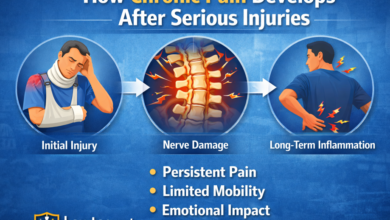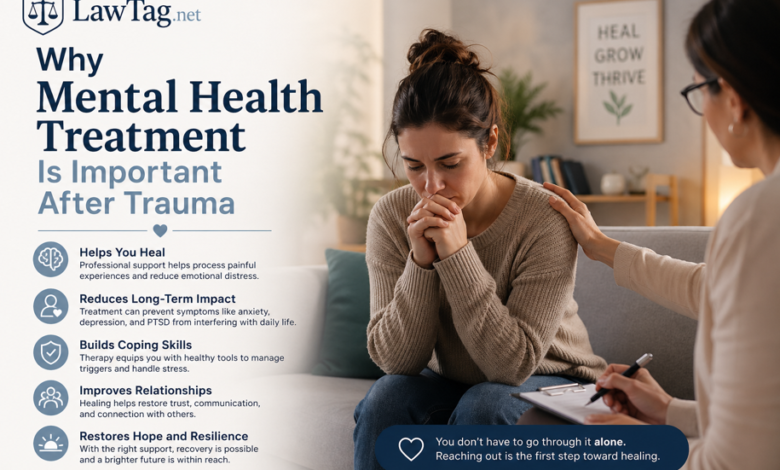
Trauma can leave marks that aren’t always visible. While bruises fade and broken bones can heal, the psychological injuries from a traumatic event can linger for months or even years if they go unaddressed.
Whether you’ve experienced a workplace injury, been involved in a serious car accident or any other traumatic incident, what happens to you psychologically after the event is just as important as what happens to you physically. Mental health treatment following trauma isn’t a luxury or an afterthought. It’s a critical part of recovery regardless of the type of trauma.
What Trauma Actually Does to the Mind and Body
When something traumatic happens, your brain responds in powerful ways. The stress response floods your system with hormones like adrenaline and cortisol. In the short term, these reactions help you survive. But when that stress response doesn’t wind down, it can cause lasting damage to how you feel, think and function.
A lot of trauma survivors develop diagnosable conditions without even realizing it. Post-traumatic stress disorder (PTSD) is one of the most well-known, but it’s far from the only one. Generalized anxiety disorder, panic attacks, depression and sleep disorders are all common after someone experiences a traumatic event. Some people may develop phobias connected to the incident itself, such as a fear of driving or riding in a car after a crash. These symptoms can then snowball into additional physical symptoms as well.
When these specific symptoms and conditions show up can vary from person to person. Sometimes mental health symptoms may present themselves immediately after an accident while other times they can take time to surface. Adrenaline often masks symtoms of pain, shock, and mental truama. Effects may take hours, days or even weeks to develop.
Others might find themselves withdrawing from relationships, struggling to focus at work or turning to alcohol or substances to cope with feelings they don’t know how to process. These aren’t signs of weakness. They’re signs that the brain is struggling to make sense of something overwhelming, and that professional support is needed.
Why Seeking Treatment Matters Sooner Rather Than Later
One of the most common mistakes trauma survivors make is waiting to see if things improve on their own. While some people do recover over time, untreated trauma has a way of compounding. The longer symptoms go unaddressed, the more intense they can become. What starts as difficulty sleeping and heightened anxiety can transform into full-blown PTSD, chronic depression or ongoing physical symptoms like chronic pain, headaches and gastrointestinal issues.Early mental health intervention after a traumatic event serves a variety of important purposes:
- It gives survivors a space to process what happened with professional guidance. This can reduce the likelihood that memories and emotional responses become overwhelming over time.
- It can identify specific conditions early, which typically provides more treatment options and a better prognosis.
- It establishes a documented record of the psychological impact of the event, which is important if a legal claim is involved.
- It supports complete and more comprehensive recovery overall, allowing people to return to work, relationships and daily living more effectively.
As mentioned previously, it’s not uncommon for survivors to hesitate seeking out mental health care because of stigma, cost concerns or the belief that what they are feeling will eventually pass on its own. Mental health care has become increasingly accessible through telehealth platforms, community centers and sliding-scale fee structures that adjust costs based on income. There are also employer assistance programs also often cover therapy sessions at no cost to the employee. Options are available.
Therapies like cognitive behavioral therapy (CBT) can be effective in treating trauma-related conditions. Eye movement desensitization and reprocessing (EMDR) also have strong track records in treating certain trauma-related conditions. A qualified mental health professional can assess your situation and recommend the right approach for your specific needs.
The Connection Between Mental Health and Personal Injury Claims
If you’re pursuing a personal injury claim related to your traumatic experience, your mental health is relevant to that case. An experienced personal injury lawyer like the attorneys at DiPiero Simmons McGinley & Bastress, PLLC will recognize that harm isn’t limited to broken bones and hospital bills. Emotional distress, psychological suffering, and the impact on your quality of life are compensable damages in many cases. With an attorney’s expertise, you can rest assured that every step of your case will be taken care of while you prioritize your health, peace of mind, and recovery.
Courts and insurance companies take psychological injuries seriously when they’re documented properly. That means working with a licensed mental health provider who will assess your condition, provide treatment and provide documentation that speaks to how the trauma has affected your daily functioning, your relationships and your ability to work.
Neglecting your mental health treatment does not just affect your physical or psychological wellbeing. It can also weaken a personal injury case by creating gaps in the record of your suffering. If you’ve experienced a traumatic event and are considering legal action, beginning mental health treatment immediately is one of the most important steps you can take on your road to recovery.
Healing Is Not Linear But it Starts with Help
Recovering from trauma isn’t always a straight path. There will be setbacks, difficult days, and moments when it feels like nothing is getting better. This is completely normal. The goal of mental health treatment isn’t to make you forget what happened. It’s to give you the tools to live alongside the experience without being controlled by it.
If you or someone you know is struggling after experiencing a traumatic event, reaching out to a mental health professional is the right place to start. Trauma is serious, and its effects are real. Getting help early on is one of the most important decisions a survivor can make. Once you begin your journey to recovery, you will find that your wellbeing naturally increases, including the wellbeing of your mental health and state of mind.