When a crash happens, facts get cloudy fast. People feel shock. Memory slips. You might blame yourself when you should not. Or someone else might twist the story. Cameras cut through that chaos. Dashcam and surveillance footage can change who pays, how much, and how fast. A short clip can support your story, expose a lie, or even show hidden fault. It can also hurt your claim if it shows risky driving you forgot or never saw.
So you need to know how this footage works, who controls it, and how to protect your rights. You might search “car accident lawyer near me” after a collision. Before you do that, you should understand how video can shape your case from the first day. This guide walks you through what footage helps, what harms, and what steps you should take right after a crash.
How cameras change fault and responsibility
Liability means who caused the crash and who pays for the harm. In many crashes, each driver tells a different story. Witnesses disagree. Stress and fear bend memories.
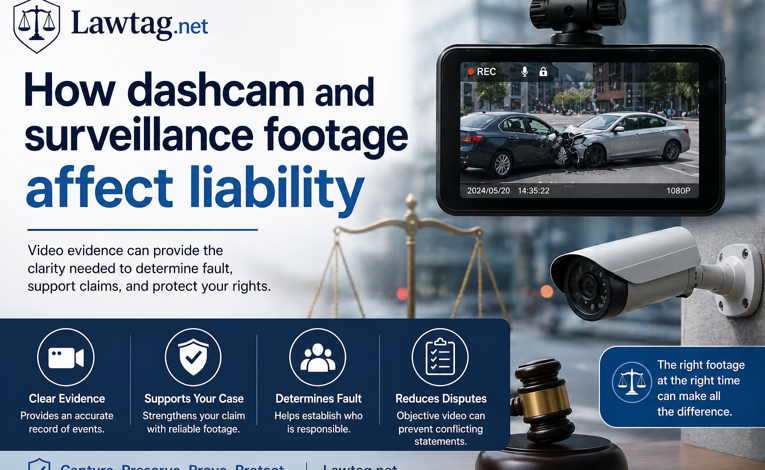
Video gives a neutral record. It shows speed, lane position, brake lights, and traffic signals. It can show if a driver looked at a phone or failed to stop. It can confirm the time and place of the crash.
Courts and insurers often trust clear footage more than words. If the video shows you followed the law, it can cut blame and protect you from false claims. If it shows you broke a rule, it can increase your share of fault.
Types of footage that can affect your case
Several common camera sources can shape liability.
- Dashcams in your car or another car
- Home doorbell and security cameras
- Business surveillance and parking lot cameras
- Traffic cameras and some public safety cameras
Each type has its own strengths and limits. Some show a wide view but low detail. Others show only a narrow scene but capture sound. Some keep recordings for weeks. Others erase them in days or even hours.
What video can show and what it cannot
Video can support or weaken claims about:
- Speed and sudden lane changes
- Running red lights or stop signs
- Failure to yield to bikes or walkers
- Tailgating and road rage
- Weather and road conditions
Yet cameras do not show everything. They may miss blind spots. They may not capture the full lead up to the crash. A poor angle or low light can hide details. Audio can fail.
You still need witness accounts, police reports, and medical records. The National Highway Traffic Safety Administration urges drivers to report crashes and seek medical care even when they feel fine. Video is one piece of proof. It is not the whole story.
How footage can help or hurt you
Video does not take sides. It can work for you or against you. The impact often depends on what it shows and how early it is found.
| Type of footage | How it can help you | How it can hurt you |
|---|---|---|
| Your dashcam | Shows you kept your lane, obeyed signals, and braked in time | Shows speeding, tailgating, or phone use |
| Other driver dashcam | Shows the other driver cut you off or ran a light | Shows you drifted or merged without checking |
| Store parking lot camera | Shows a hit and run driver who tried to flee | Shows you backed out without looking |
| Traffic camera | Confirms the color of the light and timing of the crash | Shows you entered the intersection after the light turned red |
Who owns the footage and how long it lasts
Ownership and access matter. You do not control most footage that could help you. The owner of the camera usually owns the recording. That can be a store, a neighbor, a city, or a bus company.
Many systems record on a loop. They erase older video as new video comes in. Some keep only a few days of history. Others keep weeks. Once footage is gone, you cannot bring it back.
You must act early. You can:
- Write down where cameras were near the crash
- Ask businesses to save any footage for the time of the crash
- Request copies in writing as soon as you can
- Save your own dashcam video to a safe device
Your state public records laws may let you request traffic or public safety footage. The U.S. Department of Transportation explains how federal safety rules support crash reviews. Local rules differ, so you may need legal help to use them.
Privacy, recording, and basic rules
You can use a dashcam in most places on public roads. Yet you must follow simple rules.
- Do not block your view of the road with the device
- Do not record private spaces where people expect privacy
- Do not share footage of children or license plates without care
Some states limit audio recording without consent. You should check your state law before using a dashcam with sound. You do not want your own device to cause a legal problem.
Steps you should take after a crash
Right after a crash, your focus is safety. Once you are safe and have called 911, you can think about video.
- Look for cameras on nearby homes, stores, and street poles
- Ask witnesses if they have dashcam footage
- Use your phone to photograph cameras and signs
- Back up your own dashcam clip so it does not get erased
- Tell the officer at the scene about any cameras you saw
Then you can contact your insurer and, if needed, legal help. When you talk with anyone about the crash, stay calm and stick to facts. Video will fill in the rest.
Using footage with insurers and in court
Insurers often request video early. They may ask you for your dashcam clip. They may reach out to businesses for their recordings. You should keep a copy for yourself.
Video can speed up a fair payment when it supports your claim. It can shorten disputes over fault. It can also expose staged crashes or false injury claims. At the same time, if the clip shows you broke a rule, it may cut what you can recover.
Courts can review footage as proof. Judges may rule on how clear and honest the clip is. They may reject poor or edited video. That is why you should keep the original file with full time and date stamps.
Why early action protects you
You cannot change what the camera saw. You can only protect it. Early steps often decide whether that proof survives.
If you move fast to find and save footage, you give yourself a clear voice in a process that can feel cold and confusing. You also give your family a better chance at fair support after a hard event. Video does not erase pain. It does give truth a stronger place at the table.