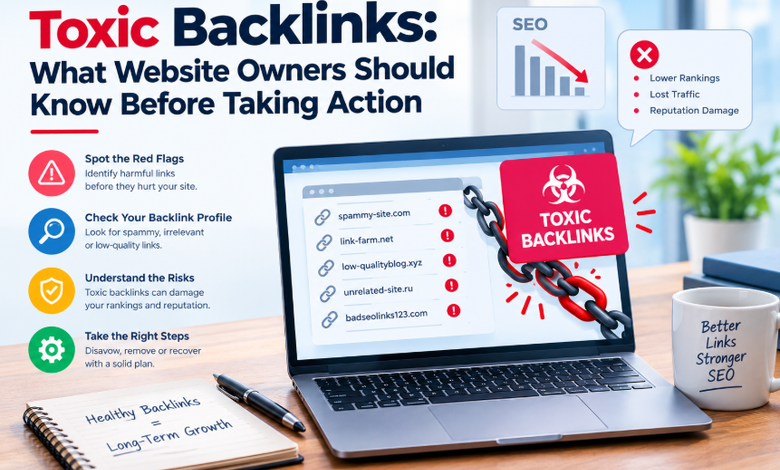
A sudden drop in search traffic can prompt website owners to look for someone to blame. Sometimes attention turns to backlinks: links from other websites pointing to yours. A cluster of suspicious links may look alarming, but a low-quality link is not automatically evidence of wrongdoing or a reason to take legal action. Understanding the difference between a search-engine concern and a legal dispute can help you respond proportionately and preserve useful evidence.
What Makes a Backlink Potentially Harmful?
Backlinks can help search engines discover pages and understand how websites relate to one another. Problems may arise when links are created mainly to manipulate rankings, such as through paid link schemes, automated placements, or networks of sites built for that purpose. Google may ignore or act against links it considers manipulative, but the presence of a link on an unfamiliar or low-quality website does not, by itself, prove that your site violated a policy.
It is useful to distinguish between a link that looks poor and a pattern that suggests deliberate manipulation. Consider where the link appears, its anchor text, whether the linking page has any genuine audience or purpose, and whether you or an agency arranged the placement. A handful of strange links may have been created without your involvement. A large, coordinated group of paid links using repetitive commercial wording calls for closer review.
Audit the Links Before You Respond
Start by collecting backlink data from reliable search tools and keeping a copy of the information you review. Look for patterns rather than judging a website solely by its design, domain name, or apparent authority score. Metrics supplied by third-party tools can help prioritize research, but they are not official findings about whether a link is harmful.
For each concerning group, note the linking page, the destination URL on your site, the anchor text, and any relevant date or campaign details. Check invoices, emails, contracts, and messages with marketing providers to see whether the links were purchased or requested. A careful record can help you decide what needs attention and may be important if a disagreement later arises with a contractor or business partner.
A practical overview of identifying and handling toxic backlinks can help organize the review, including the distinction between suspicious link schemes and harmless low-quality links.
Request Removal and Keep a Record
If a link was arranged by your business or a vendor, begin by identifying who controls the placement. Ask the website owner or the responsible provider to remove it, and keep a copy of your request and any response. Be specific and professional. If the placement was part of a contract, review the agreement before making demands, withholding payment, or alleging misconduct. Contract terms, governing law, and the facts of the engagement can affect what remedies are available.
Businesses that need specialist support may use a freelance marketplace such as Osdire to find people offering marketing or technical services. Before hiring anyone to audit or clean up links, define the work in writing: what will be reviewed, what actions require approval, how progress will be documented, and what the service does not guarantee. Clear scope and records can reduce misunderstandings about results and responsibility.
Use the Disavow Tool With Care
Google’s disavow tool allows site owners to ask Google not to take certain links into account. It is not a routine way to tidy a backlink profile, and using it incorrectly can create new problems. In general, consider it only after a substantial review indicates that links violate Google’s spam policies and there has been a manual action or a credible risk of one. Do not disavow links simply because a third-party score labels them toxic.
Before submitting a file, confirm that you have identified the right domains or URLs and that your removal efforts are documented where appropriate. A mistaken disavowal can exclude links you would prefer search engines to consider. If the situation involves a large link campaign, a manual action, a vendor dispute, or significant business losses, seek advice from an experienced SEO professional and, where legal rights or contractual obligations are at issue, a qualified lawyer.
When Backlinks Raise a Legal Question
Search-engine penalties and legal liability are different matters. A ranking change does not automatically establish that a competitor, former employee, or agency acted unlawfully. If you suspect intentional interference, fraud, breach of contract, or misuse of confidential information, preserve relevant communications and technical records before changing or deleting them. Avoid public accusations until the facts have been checked; unsupported claims can create a separate dispute.
Read the service agreement, document financial effects carefully, and establish a timeline of events. A lawyer can assess whether the evidence supports a legal claim and explain applicable deadlines or remedies. Meanwhile, avoid retaliatory tactics, such as placing harmful links against another business. Such actions may worsen the situation without resolving the original concern.
A Measured Way Forward
Backlink cleanup works best as a documented, evidence-led process. Identify patterns, trace links to their source, request removal when appropriate, and reserve disavowal for circumstances that justify it. Keep SEO decisions separate from legal conclusions, but preserve contracts and communications if a provider’s conduct or another party’s actions may have caused harm. A measured response can protect your website while giving you a clearer basis for deciding whether professional legal advice is needed.